
01. Strategy
Timing, format, and agenda structure built around your fund stage and LP base.
Most AGMs are forgotten by next Monday. Yours shouldn’t be.


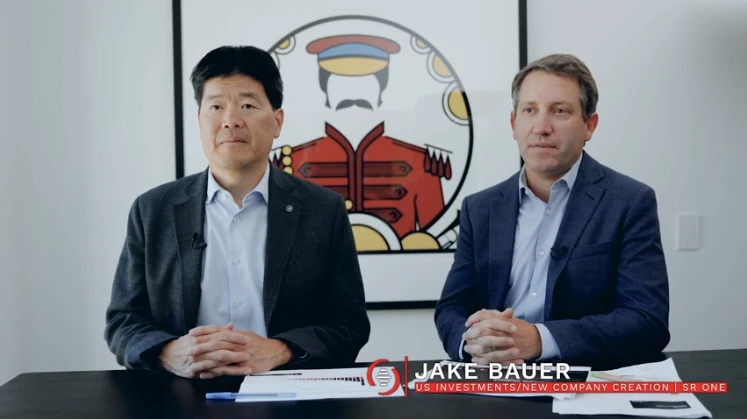
Over these four years, 51 Labs has become an extension of our team when it comes to AGM support. They understand what we need, and we trust them to deliver it.
We understand what needs to get done and make the process easy on your team.
Timing, format, and agenda structure built around your fund stage and LP base.
Multi-touch email sequences—from save-the-date to speaker reveals to final logistics. Built around the full LP communication calendar.
Support across logistics, vendors, and production to ensure everything runs smoothly behind the scenes.
Clean, visual, presentation-ready slides. One idea per slide. Built for a live room, not to be read like a memo.
Opening videos to set the tone, portfolio highlight reels, CEO profiles, and a post-event recap. Produced for the room and built to extend reach afterward.
Printed materials, signage, and thoughtful, portfolio-connected gifts, designed to reinforce your story and leave a lasting impression.
Pre-event briefing, message alignment, run-through sessions, and timing discipline. Even strong speakers deliver better with prep.
Day-of presence to manage AV, transitions, and logistics, so your team is focused on LPs, not the schedule.
Recap video, investor summary email, LinkedIn content, and LP portal materials.

51 Labs surveyed PE firms and interviewed LP decision-makers across the ecosystem. The result is a practical guide covering every lever that makes an AGM memorable.
End-to-end AGM video production

Consecutive AGMs
Partnership since
Location shoots

Four consecutive AGMs - each more polished than the last. SR One's LPs receive a broadcast-quality record of the firm's annual narrative, delivered consistently and on time, every year.


PLANNING & TIMING
Most PE firms hold their AGM in Q1 (February–April), after year-end financials are finalized but before the summer travel season. Emerging managers with fiscal years ending in September often prefer a November AGM. The right timing depends on your LP base, portfolio reporting cycle, and competing events in the institutional calendar—typically 10–16 weeks of planning lead time is ideal.
A well-produced PE AGM typically requires 10–16 weeks of lead time. The longest lead items are venue booking (8–12 weeks), video production (6–8 weeks), and LP outreach cadence (starting 6–8 weeks out). Firms working with a full-service AGM partner can compress timelines, but cutting below 8 weeks significantly limits your production and logistics options.
AGM costs vary widely by scale and production level. A basic single-day event for 30–50 LPs might run $40,000–$80,000 including venue, catering, and A/V. A fully produced event with custom video, branded collateral, and on-site support for 100+ attendees can reach $150,000–$300,000+. The right budget depends on fund size, LP relationships, and the role the AGM plays in your fundraising cycle.
CONTENT & AGENDA
The structure that works for most firms: a welcome reception or dinner the night before, followed by a full-day program. The day itself should mix presentations with panels and discussions. Portfolio CEO panels are particularly effective for larger portfolios, replacing ten back-to-back company updates with a moderated conversation that surfaces common themes. Build in breaks every 60–90 minutes. Dead space between sessions drains energy faster than most GPs realize.
The most common mistake is designing a deck to be read, not presented. Engaging LP presentations use one idea per slide, visual storytelling over dense tables, and video to anchor narrative moments. Speaker prep matters as much as design. Even experienced investors benefit from run-through sessions and message alignment before going live in front of LPs.
LPs consistently say they want candor over polish—honest assessments of portfolio challenges alongside wins. They want access to the investment team, not just the IR layer. They want clear answers on portfolio company trajectory, value creation progress, and fund pacing. Social time with GPs matters more than most managers realize. What they don’t want: a rehearsed performance that tells them nothing they couldn’t read in a quarterly letter.
VIDEO & PRODUCTION
Firms that get the most from their AGM investment treat it as a content creation moment, not just an event. Post-AGM content typically includes a recap video for the LP portal, a follow-up email with key takeaways, LinkedIn posts featuring portfolio highlights, and updated materials for the firm’s website. This extends the AGM’s reach to LPs who couldn’t attend and prospects who are evaluating the firm.
The most common formats: opening videos to set tone and focus the room, portfolio company spotlights (CEO interviews, facility tours), fund performance narrative pieces, and post-event recap videos for LP portals. According to 51 Labs’ AGM Best Practices Guide, 60% of firms already use video as part of AGM materials.
80% of PE firms default to apparel, according to 51 Labs’ AGM Best Practices Guide. The problem: it’s what almost every other firm does. The items LPs remember years later are connected to the portfolio: a product made by a company you own, a local specialty tied to the venue city, or a single premium desk item.
EMERGING MANAGERS
Most LP agreements require an annual investor meeting, but the format is flexible. For emerging managers, the first AGM is particularly high-stakes—it sets expectations for the GP-LP relationship and signals the firm’s professionalism and execution ability. A well-run inaugural AGM has a disproportionate impact on LP confidence heading into a Fund II raise.
Most emerging manager AGMs work best as a single-day program preceded by a welcome dinner the night before—a structure your LP base can accommodate without multi-day travel. Your guide’s data shows 70% of firms already use this format, and for emerging managers it’s the right default.
WORKING WITH 51 LABS
A full-service AGM partner handles the strategic and creative work your team doesn’t have bandwidth for: agenda architecture, LP communications, deck design, video production, collateral, vendor coordination, speaker prep, and day-of logistics. The goal is to take the planning burden off your IR and marketing team while raising the overall quality of the experience LPs have.
Ideally 12–16 weeks before your event date. This gives time to shape the agenda and narrative before production begins, rather than retrofitting content around a half-built plan. The most common mistake we see is engaging creative and production partners after the strategy is locked—it limits what’s possible and usually means a last-minute scramble.


